
Insights
Founder Lessons I Learned Building a Startup From Scratch
Starting a business is one of the most rewarding yet humbling journeys you'll ever take, and no one tells you the full truth about what happens after the big idea.
There's an untold reality about becoming a founder, and I wanted to share mine.
In this piece,I walk through the 19 lessons I wish someone had handed me before I began my own founder journey: how to choose a co-founder wisely, why your business must be driven by purpose and not just opportunity, the hard truths about funding and burn rate, building a stellar team and advisory board, and learning to pivot without losing sight of your vision along the way.
I write from experience: leaving a 20-year career in fine wine, moving from California to London to pursue post-graduate studies at Cambridge, and eventually co-founding an AI-powered InsurTech company in the Lloyd's of London market after my own painful encounter with the insurance system following the loss of my home.
This is the guidance I'd give my earlier self, for any founder just starting out on their own leap of faith.
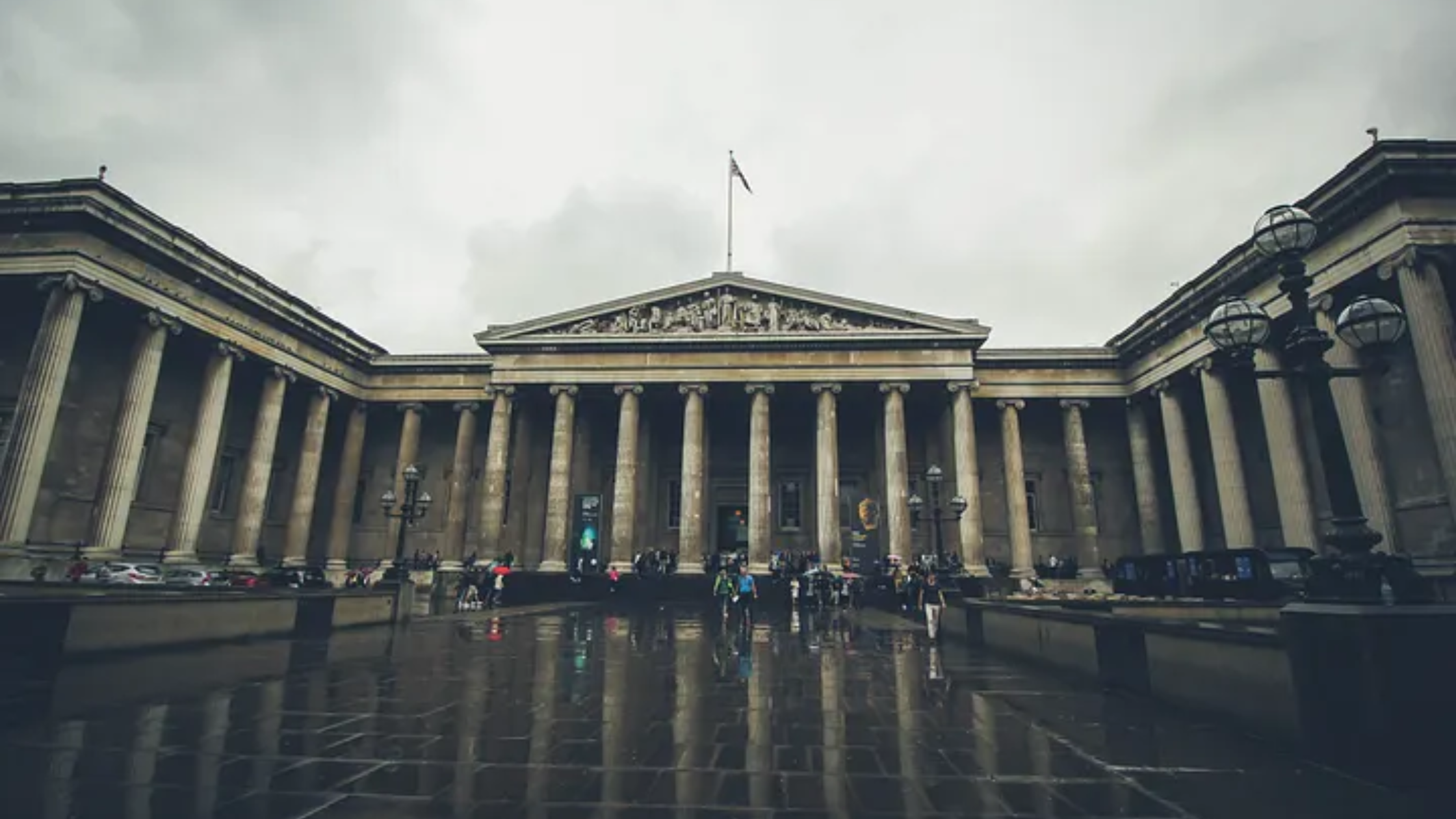
What Happened at the British Museum Is Why I Started Sotera
In 2023, the British Museum was rocked by scandal when 1,500 objects worth over £10M were stolen from its archive and put up for sale online, allegedly by a former senior curator.
It's a stark reminder of a problem I know firsthand: even the world's greatest collections lack the technology to properly record, identify, and protect heritage objects, a gap that fuels a global art crime market worth an estimated $8bn a year.
I spent years researching looted antiquities at the British Museum before founding Sotera to close this gap with technology.
We're tackling it two ways: improving the insurance workflow for museums, especially smaller institutions that struggle to insure undigitised collections, and building a free, not-for-profit toolkit using our Computer Vision technology to help record and protect at-risk heritage worldwide.

How We Cleaned a Museum Dataset to Train Our Computer Vision
Training reliable Computer Vision starts with clean data, and museum datasets are rarely clean.
In partnership with the Visual Geometry Group at Oxford University (funded by the EPSRC) and the Oriental Museum at Durham University, we set out to transform a 40,000-object museum archive into a usable Machine Learning dataset, one that could recognize at-risk heritage objects from a single photograph, even years later or from a very different image.
This post walks through what we learned tackling inconsistent object naming, missing metadata, conflicting material and colour descriptions, and incomplete Persistent Identifiers, the real-world challenges any heritage or cultural institution faces when digitizing a collection for AI.
The result: a working Computer Vision prototype and a practical case study for museums and archives preparing their own data for Machine Learning.
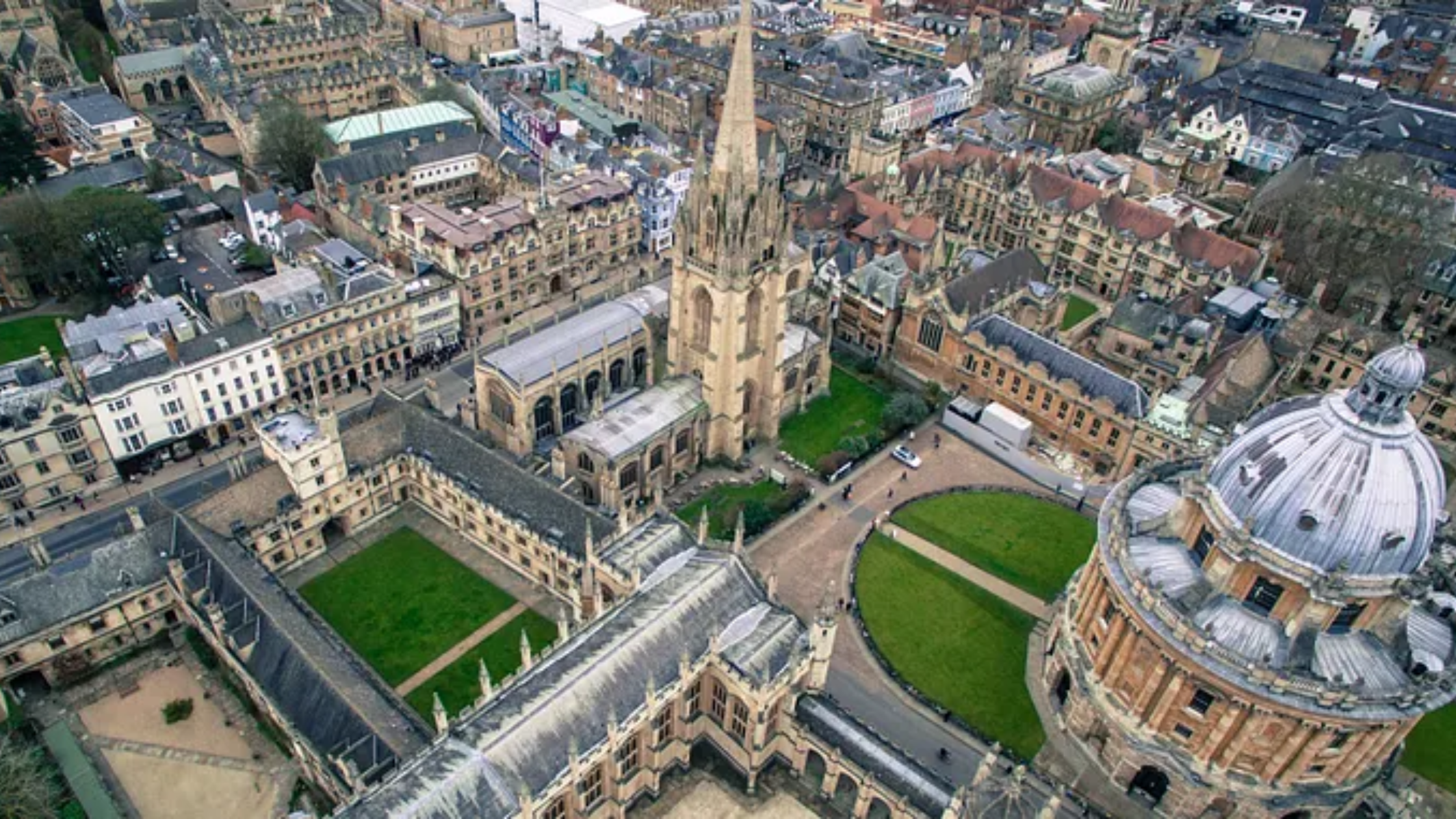
Oxford University & Sotera's Computer Vision Prototype - What We Did and Why
Could Computer Vision recognize a stolen or looted object from a brand-new, badly-lit phone photo, even if it had only ever seen that object in old images?
That's the question we set out to answer with the Visual Geometry Group at Oxford University's Department of Engineering Science, funded by the EPSRC, using a 40,000-object dataset shared by the Oriental Museum at Durham University.
After the hard work of cleaning and consolidating the museum's data, we built a working prototype that could identify objects across new, imperfect images, not just high-resolution studio shots.
This has two direct applications for Sotera: strengthening our insurance product by helping recover stolen items, and powering our non-profit toolkit to record and protect at-risk cultural heritage from looting in conflict zones like Ukraine and Afghanistan.
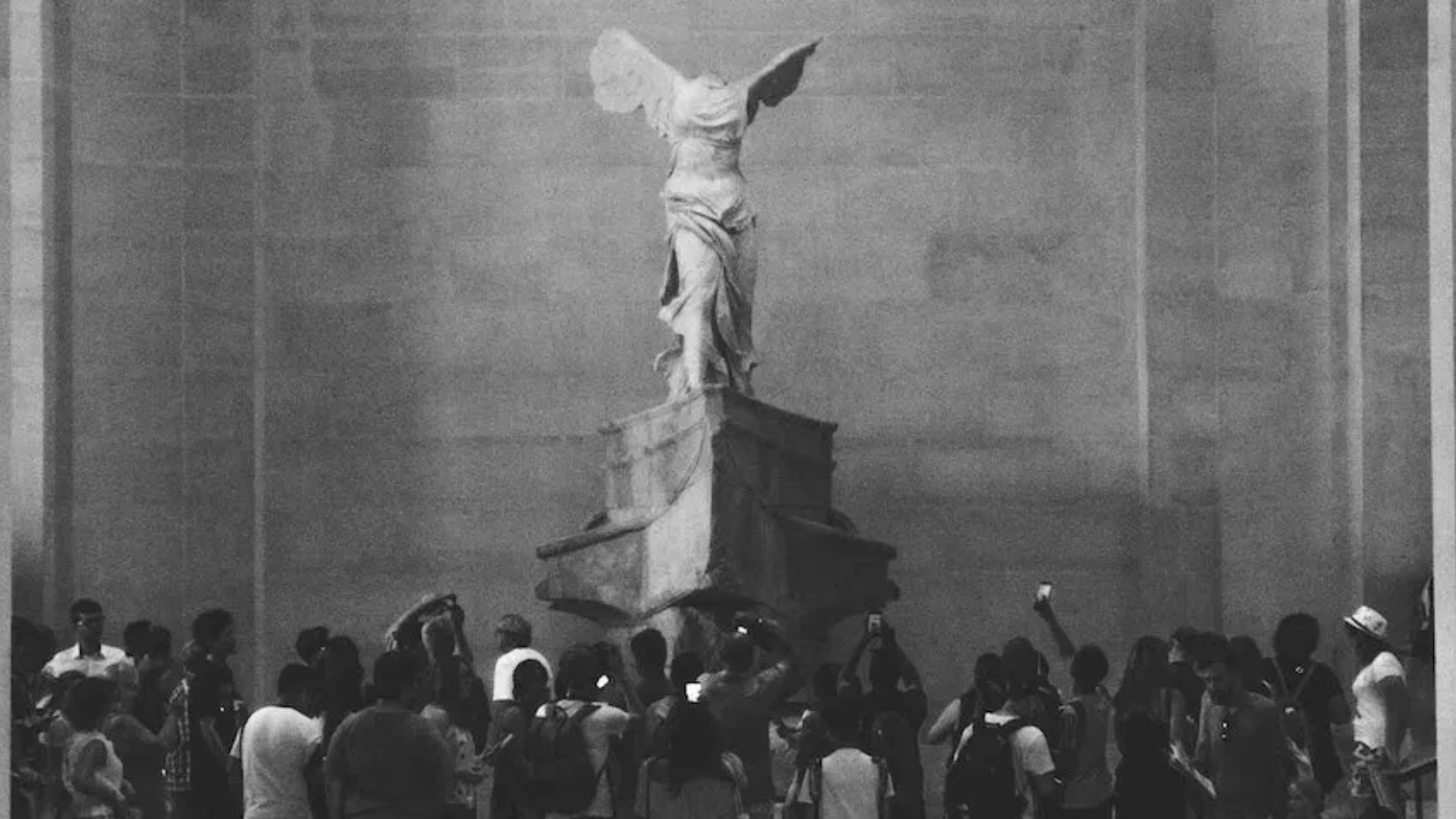
Sotera - a new Insurtech
We're excited to share that Sotera has closed its angel funding round, backed by Tokio Marine Future Fund, Accel (via scout Ramzi Rizk), Ninety, and a select group of experienced UK angel investors.
Soterais an InsurTech company using deep tech and data to create risk ratings for unusual objects like fine art, antiquities, and collectibles, bringing the same data-driven certainty to insuring these assets that already exists for insuring a car.
Founded at the University of Cambridge by Elizabeth Marston and Dr. Tobias Stone, Sotera completed the Lloyd's Lab accelerator at Lloyd's of London and works with the Visual Geometry Group at Oxford University.
Beyond insurance, Sotera is building a toolkit to help record at-risk collections and combat the looting and trafficking of antiquities and art, protecting world heritage while transforming how insurers and collectors manage risk.